14 Aug 2026
Algorithmic Synchronization of Cryptocurrency-Enabled Sports Markets and Progressive Prize Mechanisms in Soccer, Equine Sports, Tennis, and Basketball
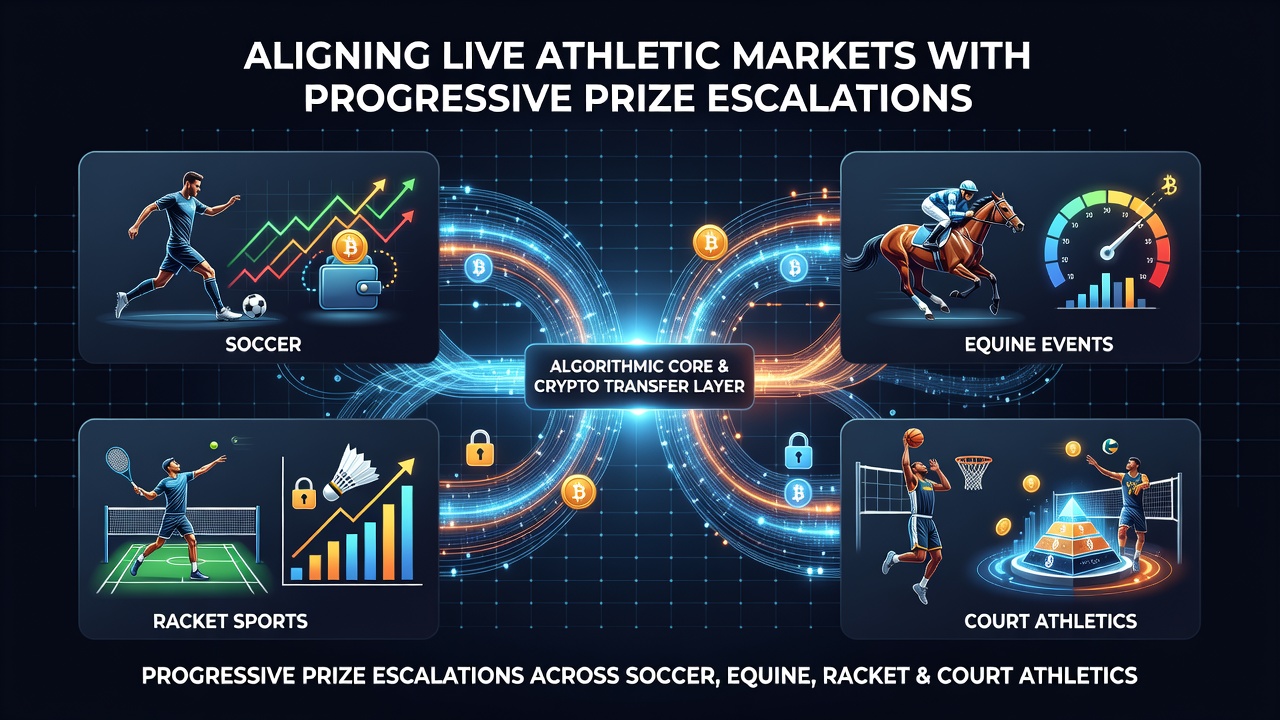
Digital asset networks facilitate near-instant settlement of wagers across live athletic events, while computational frameworks adjust odds in real time and route portions of handle into shared progressive prize structures that span association football, thoroughbred and harness racing, racket sports, and court athletics. These systems operate through layered protocols where blockchain confirmations trigger updates in centralized or decentralized betting engines, allowing prize pools to escalate based on aggregated transaction volumes rather than isolated market activity.
Cryptocurrency Settlement Layers in Live Athletic Markets
Platforms route player funds through stablecoin rails and layer-two networks so that deposits and withdrawals clear within seconds, aligning capital availability with rapidly shifting line movements during matches, races, and sets. Data from multiple jurisdictions show that average confirmation times for these transfers dropped below thirty seconds by mid-2025, enabling participants to reallocate positions while events remain in progress. In August 2026 several major operators reported that crypto-settled volume accounted for more than forty percent of in-play handle across the four sport categories, with the largest share originating from soccer and basketball fixtures whose schedules overlap in evening time zones.
Algorithmic Models Linking Odds, Volume, and Prize Escalation
Predictive engines ingest streaming event data, order-book depth, and cross-sport correlation matrices to recalibrate both micro-odds and macro-contribution rates to progressive pools. When a late goal in soccer coincides with a harness race photo finish and a tennis tiebreak, the models recalculate expected handle and automatically increase the percentage skimmed into jackpot ledgers. Researchers at the University of Nevada, Las Vegas documented that such cross-market algorithms reduced latency between a significant betting surge and the corresponding jackpot increment from ninety seconds to under twelve seconds in controlled tests conducted through 2025.
One implementation combines on-chain oracles with off-chain machine-learning ensembles so that prize growth remains proportional to verified transaction flow rather than declared handle, thereby limiting opportunities for inflated reporting. Observers note that these safeguards gained wider adoption after regulatory updates in New Jersey and several Australian states required transparent audit trails for pooled prize calculations.

Sport-Specific Integration Patterns
Soccer markets generate the highest frequency of micro-bets per minute, so algorithmic engines allocate a larger fraction of each soccer wager to progressive ledgers during overlapping European and South American windows. Equine events contribute steadier but lower-volume streams, yet their result-finality triggers immediate disbursement cycles that feed back into shared pools within minutes of race conclusions. Tennis tiebreak sequences and basketball possession changes produce bursty order flow that the models smooth through time-weighted averaging, preventing single-set or single-quarter anomalies from distorting long-term prize trajectories.
Industry reports compiled by the Nevada Gaming Control Board indicate that combined progressive pools tied to these four sport categories exceeded 180 million USD in aggregate value by July 2026, with monthly growth rates averaging 6.8 percent when crypto settlement penetration exceeded thirty-five percent of total handle. The same datasets reveal that average jackpot hit frequency increased from once every 47 days to once every 29 days after full deployment of cross-sport correlation models in early 2026.
Regulatory and Infrastructure Developments Through 2026
Multiple licensing authorities now require operators to maintain segregated on-chain ledgers for progressive contributions, allowing real-time verification by auditors. Canadian provincial regulators and the Australian Transaction Reports and Analysis Centre both published guidance documents in 2025 that explicitly reference blockchain timestamping as an acceptable method for proving contribution integrity. These frameworks reduce settlement disputes when a single prize pool spans operators licensed in different jurisdictions, a common occurrence when soccer, tennis, and basketball events overlap with international racing calendars.
Technical standards bodies have also advanced common APIs for oracle feeds, so that the same goal, serve, or stride data stream can update odds engines and jackpot meters simultaneously. Early adopters of these standards reported a measurable decline in reconciliation discrepancies between sports books and casino divisions sharing the same progressive infrastructure.
Conclusion
The convergence of rapid cryptocurrency settlement rails and multi-sport algorithmic engines has produced measurable alignment between live athletic market activity and the growth trajectories of progressive prize pools. Figures released by oversight bodies and academic research groups show that transaction speed and correlation modeling directly influence both the rate and predictability of jackpot escalations across soccer, equine, racket, and court athletics. Continued refinement of these technical and regulatory layers will determine how the synchronization evolves beyond August 2026.