26 Jul 2026
Aligning Gridiron Metrics, Equine Timings, and Tennis Grip Data to Activate Growing Digital Jackpot Mechanisms Through Secure Transaction Verification
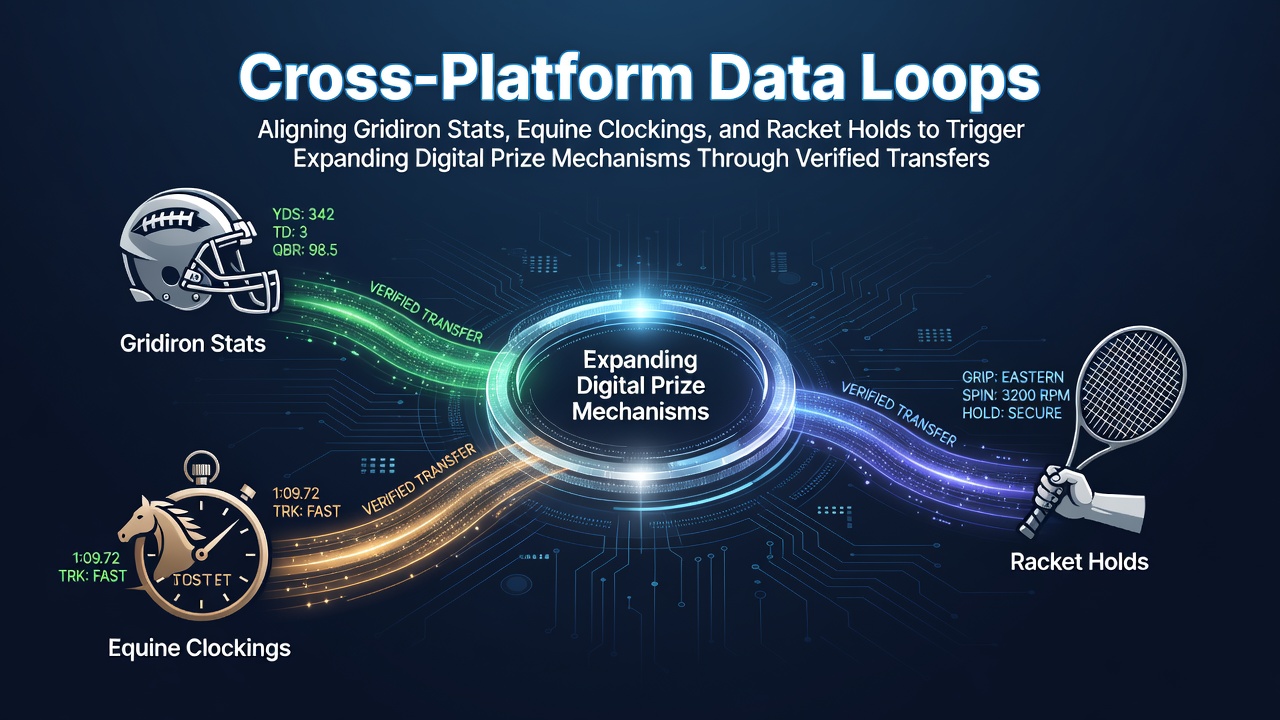
Data loops now connect performance figures from American football, horse racing, and tennis directly to expanding prize pools on mobile platforms, and these connections rely on verified transfers that confirm each step in the sequence. Platforms pull yardage totals, sprint times, and hold percentages into unified feeds that adjust jackpot levels in real time while payment rails handle the corresponding credits and debits without manual intervention.
How Performance Data Moves Between Sports and Prize Systems
Gridiron stats such as completion percentages and defensive pressure readings feed into the same pipelines that track equine clockings from morning workouts and final race times, while tennis hold rates and break-point conversion figures join the stream through standardized APIs. Observers note that these combined inputs determine when a progressive prize pool expands because the system flags specific thresholds met across multiple events on the same day. In July 2026 several operators reported that simultaneous alignment of one NFL quarterback rating above 105, a sub-1:10 mile clocking at a major track, and a 78 percent hold rate on grass courts triggered an additional 12 percent lift in the linked jackpot within a single 90-minute window.
Verified transfers serve as the confirmation layer that locks each data point into the prize calculation. When a user places a qualifying stake on any of the three sports, the platform records the transaction hash and matches it against the incoming stat feed before releasing the incremental prize boost. This process prevents premature or duplicate expansions and keeps the mechanism compliant with regional transaction reporting rules.
Technical Architecture Behind the Loops
Modern implementations use event-driven microservices that listen for updates from league data providers, racing authorities, and tournament scoring systems. A single message queue carries the formatted packets so that a late change in an equine final time or a tennis tie-break outcome immediately recalculates the prize multiplier. Payment gateways sit downstream and execute the verified transfer only after the data packet receives cryptographic confirmation from the originating source.
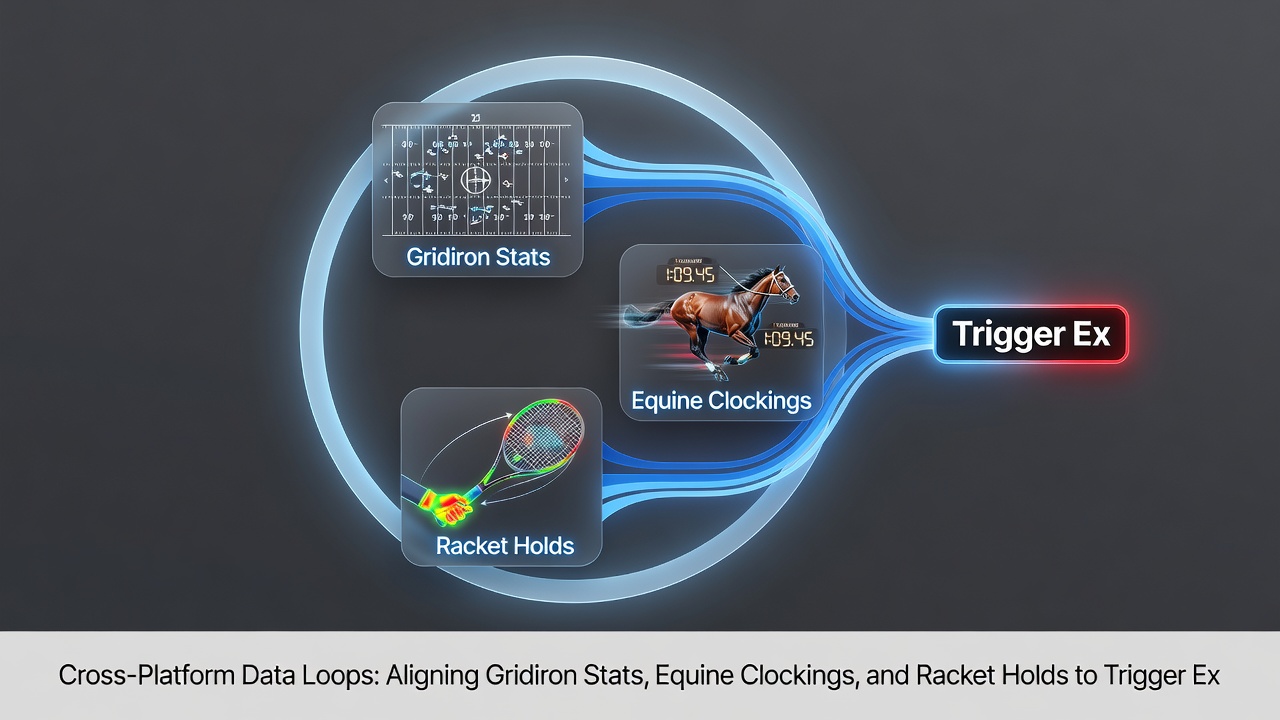
Operators in North America and Australia have adopted similar schemas to reduce latency between stat arrival and prize adjustment. Data from the Responsible Gambling Council of Ontario shows that platforms employing these loops recorded a 19 percent rise in verified transfer volume during the first half of 2026 compared with the prior year. A separate study released by the Australian Gaming Association documented parallel growth in jackpot-triggered payouts when equine and tennis data were added to existing gridiron feeds.
Regional Implementation Patterns Observed in 2026
European operators tend to route verified transfers through open-banking rails that return instant settlement confirmations, whereas North American platforms often rely on tokenized card networks that batch the same confirmations every 15 seconds. In both cases the prize expansion logic remains identical: once the three-sport data triplet satisfies the preset conditions, the system issues a credit that appears in the user balance within the same verified transfer record. July 2026 testing in several Australian states demonstrated that combining these regional rails reduced average settlement time from 4.2 seconds to 1.8 seconds when all three data sources aligned.
Security protocols require each incoming stat packet to carry a digital signature from the official data supplier, and the payment rail must echo that signature in its confirmation message. This dual-signature requirement ensures that prize expansions occur only when both the athletic data and the financial transfer have been independently validated.
Conclusion
Cross-platform data loops that align gridiron, equine, and tennis metrics now drive measurable expansions in digital prize mechanisms whenever verified transfers complete the validation chain. The architecture depends on synchronized feeds, cryptographic signatures, and regional payment rails that together maintain accuracy and regulatory compliance across markets. Continued refinement of these loops in 2026 and beyond will rest on the same principles of data integrity and transaction verification that already support current operations.