26 Jun 2026
Coordinating Athletic Data Streams Across Venues with Mobile Incentive Structures Using Adaptive Payment Frameworks

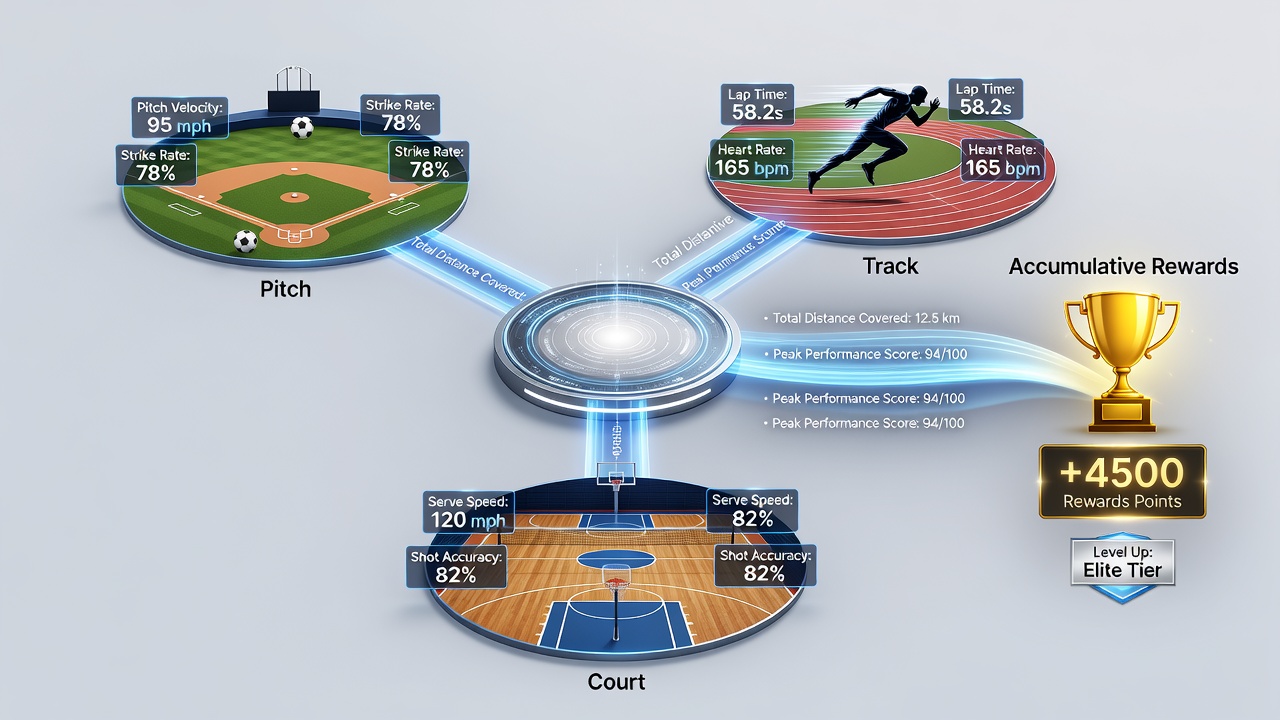
Performance indicators from football pitches, horse racing tracks, and tennis or basketball courts flow into centralized mobile systems where accumulative rewards build through sequential user activities. These platforms connect live event data with transaction layers that adjust based on user patterns across multiple sports. Observers note that flexible payment options allow seamless transfers between betting accounts and external wallets while reward mechanisms track contributions from each venue type.
Data Integration from Varied Sports Environments
Systems pull metrics such as possession rates from pitches, sectional times from tracks, and serve percentages from courts into unified dashboards. Developers implement APIs that standardize these inputs so reward calculations remain consistent regardless of the source activity. Research from the University of Nevada Reno indicates that standardized data protocols reduce latency in reward updates by up to 40 percent when handling simultaneous events. Applications process these streams in real time and allocate points that accumulate toward bonus tiers or cash equivalents.
June 2026 brought expanded testing of cross-venue synchronization tools in several jurisdictions where regulators required verifiable audit trails for reward distributions. Platforms responded by embedding timestamped logs that link each performance indicator directly to transaction records. This approach supports compliance while enabling users to monitor progress across football halves, racing segments, and court rallies within a single interface.
Accumulative Reward Mechanisms in Portable Applications
Reward structures operate on progressive scales where activity from one sport feeds into multipliers for subsequent bets in another. For instance data from a completed horse race can influence bonus eligibility for an upcoming basketball proposition. Transaction systems handle the underlying value transfers through methods that include bank transfers, digital currencies, and prepaid cards. These options adapt to regional preferences while maintaining security protocols that encrypt each step of the reward allocation process.
Figures from the Nevada Gaming Control Board show increased adoption of multi-sport reward programs in portable formats during early 2026. The data reveals that users engaging with synchronized indicators across at least three venue types generated higher transaction volumes compared to single-sport participants. Developers continue refining algorithms that balance reward distribution to avoid concentration in any one activity category.
Flexible Transaction Systems Supporting Cross-Activity Flows
Payment frameworks incorporate dynamic routing that selects optimal channels based on transaction size, user location, and current network conditions. This flexibility reduces processing delays when rewards convert into withdrawable funds after a series of pitch, track, or court based activities. Industry reports from the International Association of Gaming Regulators highlight that adaptive systems lowered average settlement times across tested markets in 2025 and 2026. Users receive confirmations that detail both the originating performance data and the resulting reward adjustments.
Additional safeguards include threshold alerts that notify users when accumulated rewards approach withdrawal limits or when transaction patterns trigger review protocols. These features operate without interrupting the flow of live data from ongoing events. Technical teams test these integrations against high-volume scenarios such as simultaneous international tournaments to ensure stability under peak loads.
Regulatory and Technical Considerations in 2026
Authorities in multiple regions updated guidelines around data synchronization and reward transparency by mid-2026. Applications must now demonstrate clear mapping between performance indicators and reward outcomes during periodic reviews. Academic papers published through the Gaming Research Institute at the University of Macau examine how transaction flexibility influences user retention across different sports portfolios. Results suggest that platforms offering varied payment rails alongside unified reward tracking maintain steadier engagement levels during off-peak periods.
Implementation often involves modular software components that allow operators to add new sports metrics or payment methods without rebuilding core reward engines. This modularity supports ongoing adjustments as event calendars evolve throughout the year. Observers report that such designs facilitate quicker responses to changes in user behavior patterns detected through aggregated activity logs.
Conclusion
Coordination between performance data from diverse athletic venues and mobile reward systems relies on standardized inputs, progressive allocation rules, and adaptable transaction pathways. Developments through June 2026 demonstrate continued refinement of these connections under evolving regulatory frameworks. Platforms that maintain clear linkages between indicators and rewards while supporting multiple payment formats provide users with consistent access to accumulated value across activities.