29 May 2026
Digital Currency Pathways Linking Live Sports Decisions to Layered App Rewards
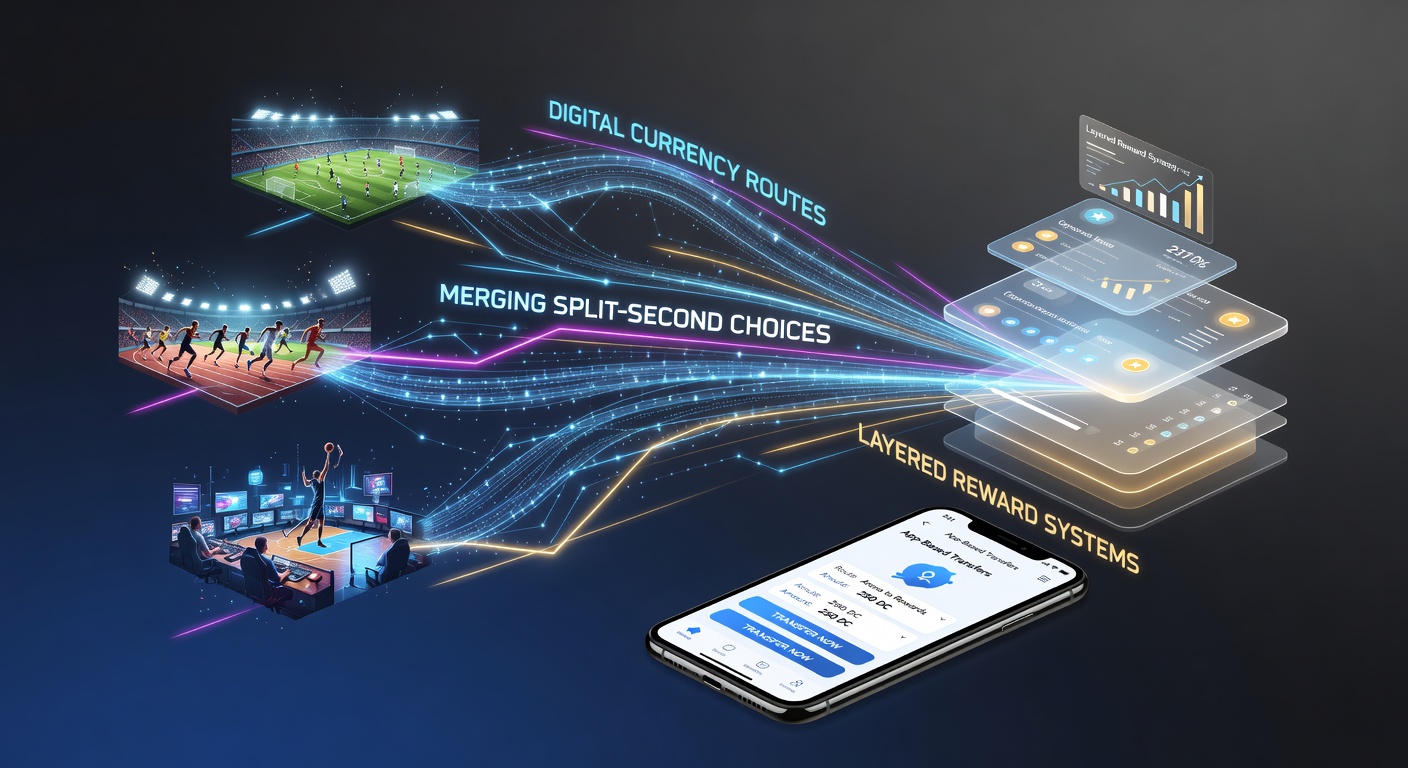
Digital currency systems continue to connect split-second choices made on pitches, tracks, courts, and arenas directly to layered reward structures through mobile application transfers, and this integration has expanded notably by May 2026. Payment networks process wagers placed during live events and route resulting credits into multi-tier bonus pools without requiring separate account actions. Observers note that these routes rely on blockchain-based ledgers which record transactions in real time while maintaining compliance with varying regional standards across Europe, North America, and Asia-Pacific markets.
Core Mechanics of Venue-to-App Transfers
Football matches generate rapid in-play decisions where bettors select outcomes on goal timings or corner counts, and digital wallets convert those stakes into tokenized entries that feed progressive prize layers within the same application. Horse racing events add pace data from track sensors that trigger similar transfers, allowing accumulators to roll winnings into casino-style jackpot chains. Tennis rallies and basketball possessions follow comparable patterns, with serve percentages and player efficiency metrics updating live odds that sync automatically to reward tiers.
App interfaces display these connections through unified dashboards, and users authorize transfers once per session rather than after each selection. Data from the European Gaming and Betting Association shows transaction volumes between sports modules and reward pools increased by 27 percent in the first quarter of 2026 compared with the prior year. Such figures highlight how instant settlement protocols reduce latency between venue events and bonus activations.
Regional Regulatory Influences on Transfer Speed
Frameworks in the European Union emphasize secure token standards that permit cross-border flows while requiring identity verification at onboarding, whereas Canadian provincial systems focus on operator licensing that mandates transparent audit trails for every app-based shift. Australian oversight bodies track progressive jackpot contributions from sports wagers separately from casino elements, creating distinct reporting layers that still allow seamless user movement between categories.
These differences produce varied transfer windows, yet the underlying technology remains consistent across platforms. Researchers at the University of Nevada, Reno documented average settlement times dropping below three seconds for verified digital currency routes in controlled tests conducted during late 2025, and those findings continue to inform operator upgrades rolling out through spring 2026.
Examples of Multi-Venue Reward Chains
One documented case involved a sequence beginning with a live football accumulator that converted mid-match winnings into a horse racing each-way position, after which the resulting credit entered a basketball parlay linked to a slot progressive. The entire chain completed through a single mobile session using tokenized transfers, and the final jackpot tier activated without additional deposits. Similar patterns appear in tennis-to-basketball progressions where in-play rally data feeds directly into arena-based bonus pools.

Operators report that such chains increase average session duration because users remain engaged across multiple event types. Industry reports indicate reward layer participation rates climbed from 34 percent to 41 percent among active accounts between January and April 2026, driven largely by the removal of manual transfer steps.
Security and Compliance Layers in App Ecosystems
Multi-signature wallet protocols and real-time fraud detection algorithms operate behind each transfer, flagging unusual patterns before credits reach reward pools. Regulatory reporting requirements in multiple jurisdictions mandate that operators retain immutable records of every venue-to-reward movement, and these records support both tax calculations and responsible gaming interventions. The integration of biometric authentication within apps further reduces unauthorized access risks while preserving the speed demanded by live event timing.
Conclusion
Digital currency routes continue to merge live decisions from pitches, tracks, courts, and arenas into layered reward systems through app-based transfers, supported by evolving regulatory environments and advancing settlement technologies. As of May 2026, these connections deliver measurable increases in transaction volume and user engagement across global markets while maintaining documented compliance standards.