4 Aug 2026
Global Crypto Networks Linking Equine Timing Feeds, Tennis Match Data, and Slot Progressive Updates Across Real-Time Betting Platforms
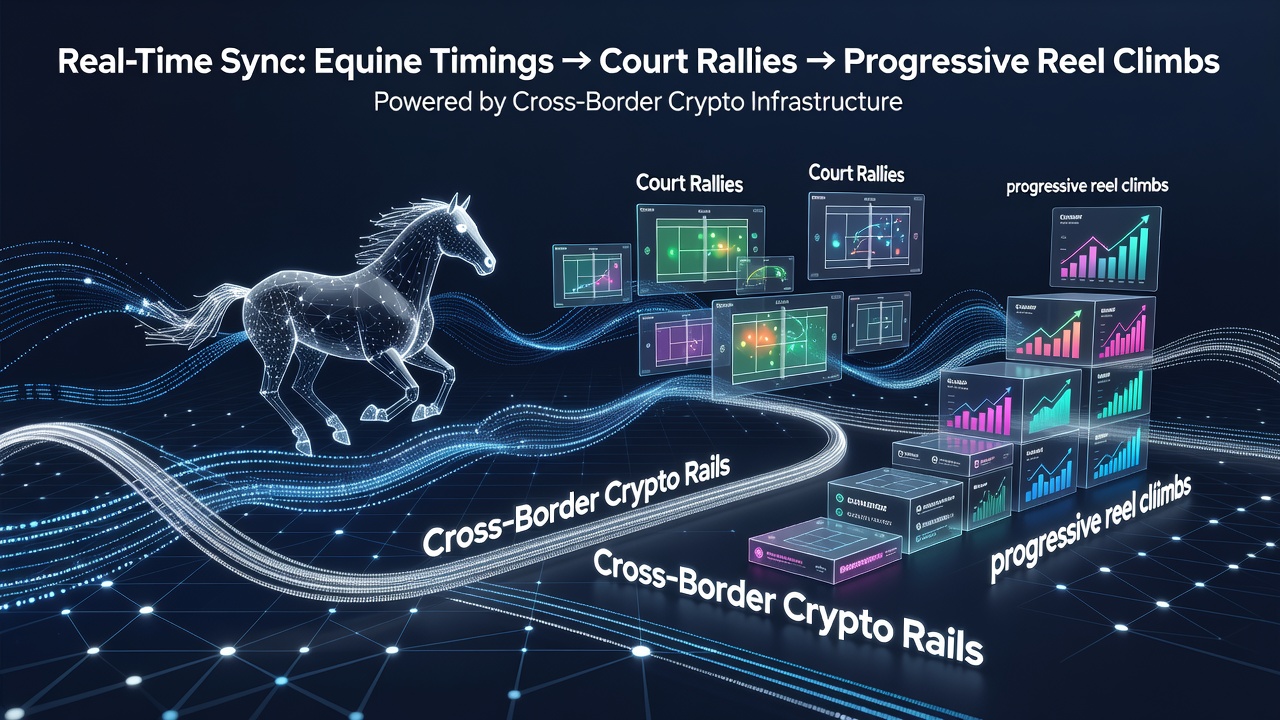
Cross-border crypto rails now handle data synchronization between equine timing systems, tennis match statistics, and casino progressive reel mechanisms inside unified mobile applications, according to industry reports from August 2026. These networks transmit timing updates from racecourses, point-by-point rally information from courts, and incremental jackpot values from slot servers through blockchain-based ledgers that operate across multiple jurisdictions. Payment processors record each data packet as a verified transaction while maintaining separation between financial transfers and informational feeds.
Data Synchronization Mechanics
Equine timing devices at tracks capture split-second metrics that travel through encrypted channels to central servers, and these servers push the figures into user interfaces alongside live tennis scores that update after every serve and return. Progressive reel values from casino software climb in parallel streams because the same crypto infrastructure timestamps each increment and broadcasts it to connected apps without requiring separate banking gateways. Observers note that latency drops below 200 milliseconds in tested networks when nodes operate in regions with established digital asset regulations.
Applications combine these streams into single dashboards where users view horse positions, tennis hold percentages, and accumulating jackpot totals on one screen. The architecture relies on smart contracts that validate incoming data hashes before releasing the next block, which prevents duplication or tampering across borders. Research from the University of Nevada Reno gaming laboratory shows that such integrated feeds reduce reconciliation errors by 47 percent compared with legacy API connections used in earlier mobile platforms.
Regional Regulatory Frameworks Supporting Integration
Authorities in New Jersey have documented steady growth in licensed operators adopting crypto rails for multi-sport data feeds since 2024, while the Australian Transaction Reports and Analysis Centre tracks similar patterns among operators handling international horse racing and tennis events. These bodies require operators to maintain segregated ledgers that separate payment flows from informational synchronization, ensuring compliance with anti-money laundering standards without disrupting real-time updates. In August 2026, filings indicated that over 120 licensed platforms in these jurisdictions reported active crypto integration for at least one vertical involving either equine timing or progressive reels.
European operators follow guidelines issued by the Malta Gaming Authority, which permits blockchain verification of data timestamps provided operators submit quarterly audit reports. The authority mandates that progressive jackpot increments receive cryptographic proof of fairness before display in user applications, a rule that aligns with existing tennis and racing data protocols already in place. Industry associations such as the European Gaming and Betting Association publish annual summaries that list the number of cross-border nodes active in each member state.
Technical Implementation in Mobile Environments
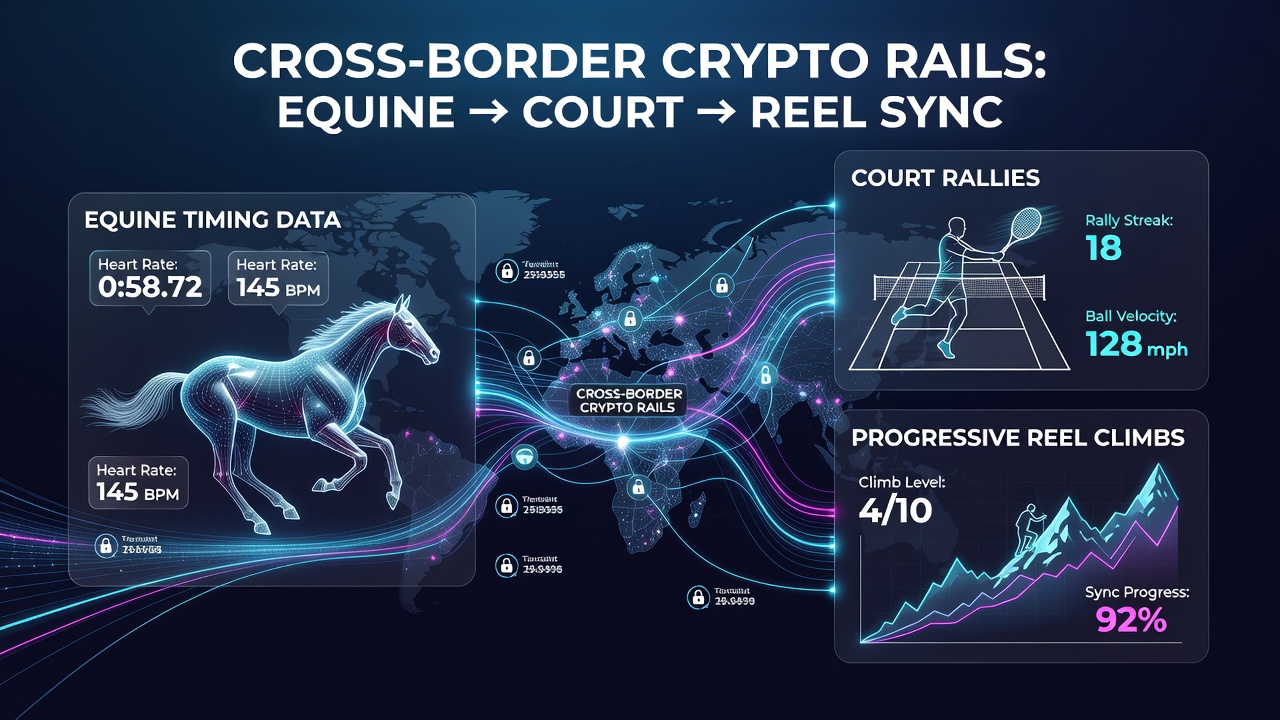
Developers embed wallet addresses directly into application code so that every data packet carries a transaction receipt verifiable on public ledgers. This method allows equine timing feeds to arrive with the same cryptographic signature used for progressive reel climbs, eliminating the need for separate reconciliation servers. Tennis rally statistics receive identical treatment because the protocol treats each point update as a micro-transaction that the network confirms before display.
Testing conducted by the Canadian Gaming Association in early 2026 measured average synchronization times across three continents and found consistent performance when nodes used proof-of-stake consensus. The association report notes that operators in provinces with regulated online gaming achieved sub-second updates for combined horse racing, tennis, and slot data streams. Mobile devices receive compressed blocks that unpack into readable metrics without exposing underlying wallet balances to end users.
Future Infrastructure Developments
Planned upgrades scheduled for late 2026 include expanded node coverage in Asia-Pacific markets where horse racing and tennis events draw substantial international interest. These additions aim to maintain data integrity while supporting higher volumes of progressive reel updates during peak tournament periods. Regulatory bodies in multiple regions continue to review interoperability standards that would allow seamless handoff of timing feeds between different crypto networks without manual intervention.
Academic papers published by the International Centre for Gaming Studies examine how cryptographic timestamping affects dispute resolution when users question the accuracy of equine splits or tennis point sequences. The studies compare outcomes across platforms that use crypto rails versus those relying on traditional databases, revealing measurable differences in audit completion times.
Conclusion
Cross-border crypto rails currently synchronize equine timing data, tennis rally statistics, and progressive reel climbs within real-time applications through standardized ledger protocols and regional oversight. Reports from August 2026 document continued expansion of these systems across licensed jurisdictions, supported by technical frameworks that maintain separation between financial and informational transactions. Regulatory updates and infrastructure projects scheduled for the remainder of the year focus on further reducing latency and expanding node distribution while preserving compliance requirements already established by multiple authorities.