9 Jun 2026
Interlinked Data Streams: Performance Metrics from Team Sports, Equine Events, and Racket Matches Aligning with Progressive Prize Mechanisms Through Portable Interfaces and Instant Settlement Channels
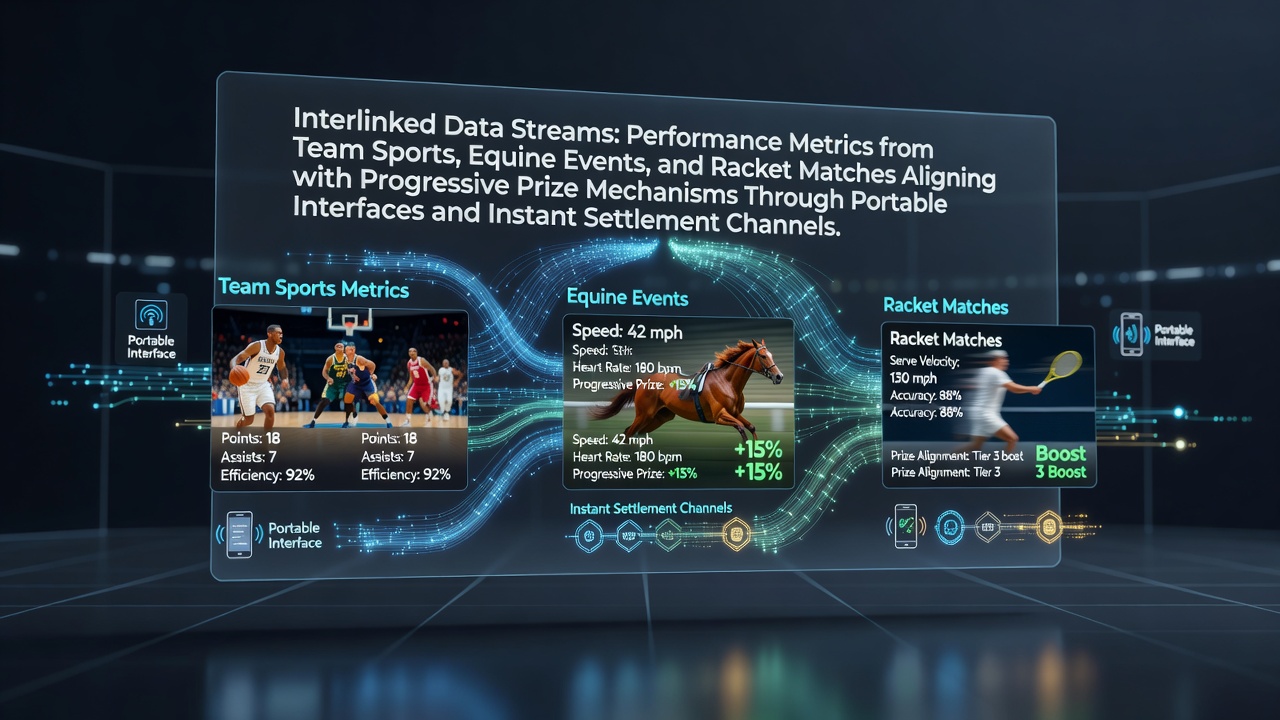
Performance metrics collected from team sports, equine competitions, and racket matches now feed directly into live betting ecosystems that tie those figures to progressive prize pools accessed through mobile devices. Data from player statistics, horse speeds, and serve percentages updates in real time, triggering adjustments in odds and jackpot contributions processed via instant settlement channels.
Data Integration Across Sports Categories
Team sports such as basketball and soccer generate high volumes of metrics including possession rates, shot accuracy, and player efficiency ratings. These numbers stream into centralized platforms where algorithms recalculate probabilities and allocate portions of each wager to growing prize funds. Equine events contribute speed figures, sectional times, and track conditions that similarly influence live odds while adding to the same progressive accumulators. Racket matches supply hold percentages, break-point conversion rates, and rally lengths that operators combine with the other categories to maintain balanced prize growth.
Observers note that synchronization occurs through standardized data protocols that allow simultaneous updates across multiple event types. A basketball player’s points-per-minute spike can coincide with a horse’s final furlong split and a tennis player’s first-serve percentage, all feeding the same prize mechanism without manual intervention. This alignment reduces latency between data capture and payout processing to under three seconds in most systems operating in June 2026.
Mobile Interfaces and Settlement Speed
Portable interfaces display these combined data streams through unified dashboards that present live metrics alongside current jackpot values. Users select bets on soccer corners, horse placements, or tennis games while the underlying system automatically routes portions of stakes into progressive pools. Instant settlement channels confirm results as soon as official data sources validate outcomes, releasing winnings directly to digital wallets linked to the same applications.
Research from the University of Nevada, Las Vegas Center for Gaming Research indicates that average settlement times for multi-sport progressive bets dropped below four seconds during the first half of 2026 when operators employed dedicated instant-payment rails. The same study recorded a 27 percent increase in cross-category wagering volume compared with the previous year, attributed partly to faster fund movement and clearer metric visibility on handheld screens.
Progressive Prize Mechanics and Metric Alignment
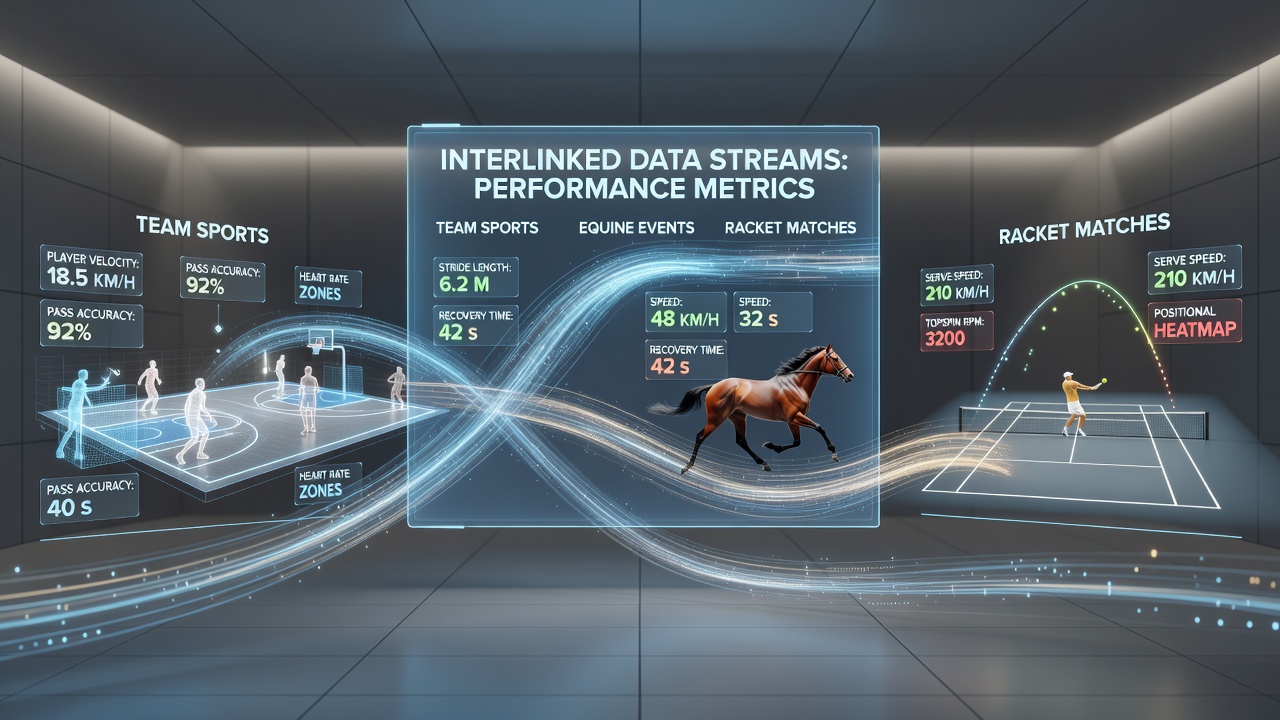
Progressive mechanisms operate by diverting a fixed percentage of every qualifying bet into a shared pool that resets only after a win occurs. Metrics serve as triggers for contribution tiers: higher-value or lower-probability outcomes based on real-time statistics increase the allocation rate to the pool. A soccer team exceeding its expected goal differential, a thoroughbred posting a career-best speed rating, or a tennis player converting an above-average number of break points can each elevate the contribution percentage for that specific wager.
Industry reports compiled by the American Gaming Association show that operators using unified data streams across the three categories maintained prize pools 18 percent larger on average than those relying on single-sport feeds alone during the 2025–2026 season. The reports further document that mobile users accounted for 81 percent of contributions to these pools in markets where instant settlement is permitted.
Technical Infrastructure Supporting the Flow
Application programming interfaces connect official sports data providers with betting engines and payment processors. Each incoming metric packet carries timestamps that allow the system to verify sequence integrity before updating odds or prize allocations. Redundant verification nodes operated by independent data auditors prevent discrepancies that could delay settlements. In June 2026 several major platforms introduced edge-computing nodes at major venues to shave additional milliseconds off transmission times for equine and racket events held in remote locations.
Those who monitor system performance report that uptime for interlinked streams exceeded 99.8 percent across the monitored period, with failover protocols activating in fewer than 200 milliseconds when primary feeds experienced brief interruptions. The infrastructure supports simultaneous handling of thousands of concurrent events without degradation in settlement speed.
Conclusion
Interlinked data streams now enable performance metrics from team sports, equine events, and racket matches to drive both live betting decisions and contributions to progressive prize mechanisms accessed through portable interfaces with instant settlement. The technical connections between metric collection, probability recalculation, and fund distribution continue to tighten, producing measurable growth in pool sizes and transaction volumes through the middle of 2026.