2 Aug 2026
Payment Network Architectures Fueling Algorithmic Projections in Simultaneous Multi-Event Athletic Betting and Handheld Casino Benchmark Monitoring
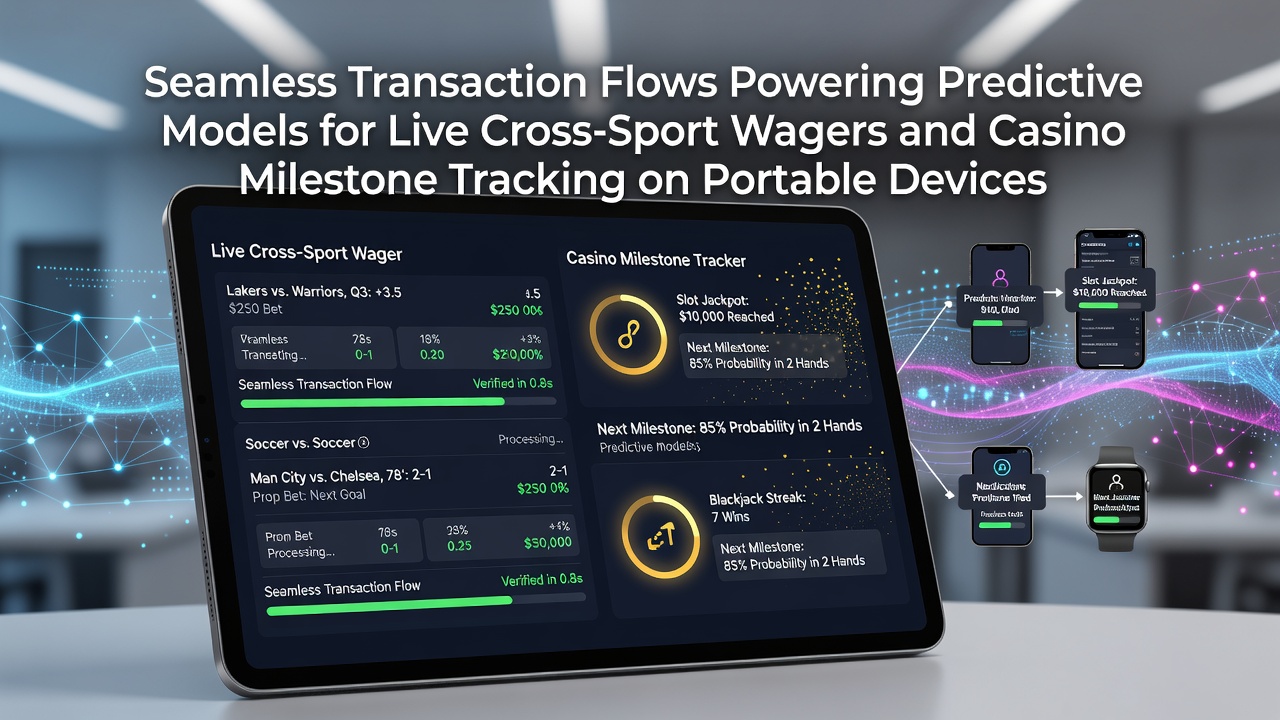
Data from August 2026 shows that integrated payment networks now process micro-transactions in under 200 milliseconds across major betting platforms, allowing predictive models to ingest real-time financial signals alongside performance statistics from events such as football matches, tennis sets, basketball quarters, and thoroughbred races. These systems link deposit velocity, withdrawal patterns, and wager sizing directly into machine-learning pipelines that adjust probability estimates for cross-sport combinations while simultaneously updating casino milestone trackers on the same portable devices. Observers note that the architecture relies on standardized APIs from payment processors that maintain separate ledgers for sports books and casino progressives, yet synchronize timestamps to feed unified forecasting engines.
Core Components of Transaction-Driven Predictive Systems
Payment gateways transmit structured data packets containing user account balances, recent transaction histories, and risk thresholds that algorithms then correlate with live odds movements and historical outcome databases. In practice, a single seamless flow might capture a deposit made during a tennis tiebreaker, route it through verification layers, and immediately incorporate the updated capital position into models forecasting combined outcomes across that tennis match plus an overlapping basketball game. Researchers at institutions tracking mobile gaming metrics have documented how these flows reduce latency between user action and model update from several seconds down to sub-second intervals, enabling more precise calibration of live cross-sport wagers.
Security protocols embedded in the transaction layer also supply anomaly detection signals that predictive engines use to filter suspicious activity before it influences milestone calculations in casino segments. The result appears in unified dashboards where users view both their current sports position and progress toward progressive jackpot thresholds without separate application switches or reload delays.
Cross-Sport Data Synchronization via Payment Events
Live wagering platforms now treat each confirmed transaction as an event trigger that refreshes multiple prediction streams at once. When a user places a stake on a horse race outcome while holding an active basketball prop bet, the payment confirmation timestamp aligns data streams from both events into a shared temporal window. This alignment supports models that calculate joint probabilities and expected value adjustments across disciplines without requiring manual user intervention. Industry reports indicate that such synchronization has become standard on devices running current mobile operating systems, where background processes maintain persistent connections to both betting exchanges and casino servers.
One documented implementation involves routing all financial events through a central orchestration service that tags each transaction with sport identifiers and casino milestone codes. The tags allow downstream models to weight inputs differently depending on whether the transaction originates from a live tennis market or a slot accumulator. Figures released by the Nevada Gaming Control Board in mid-2026 recorded average transaction volumes exceeding 1.2 million per hour during peak evening windows, with 94 percent of those transactions completing end-to-end within the latency windows required by real-time forecasting systems.
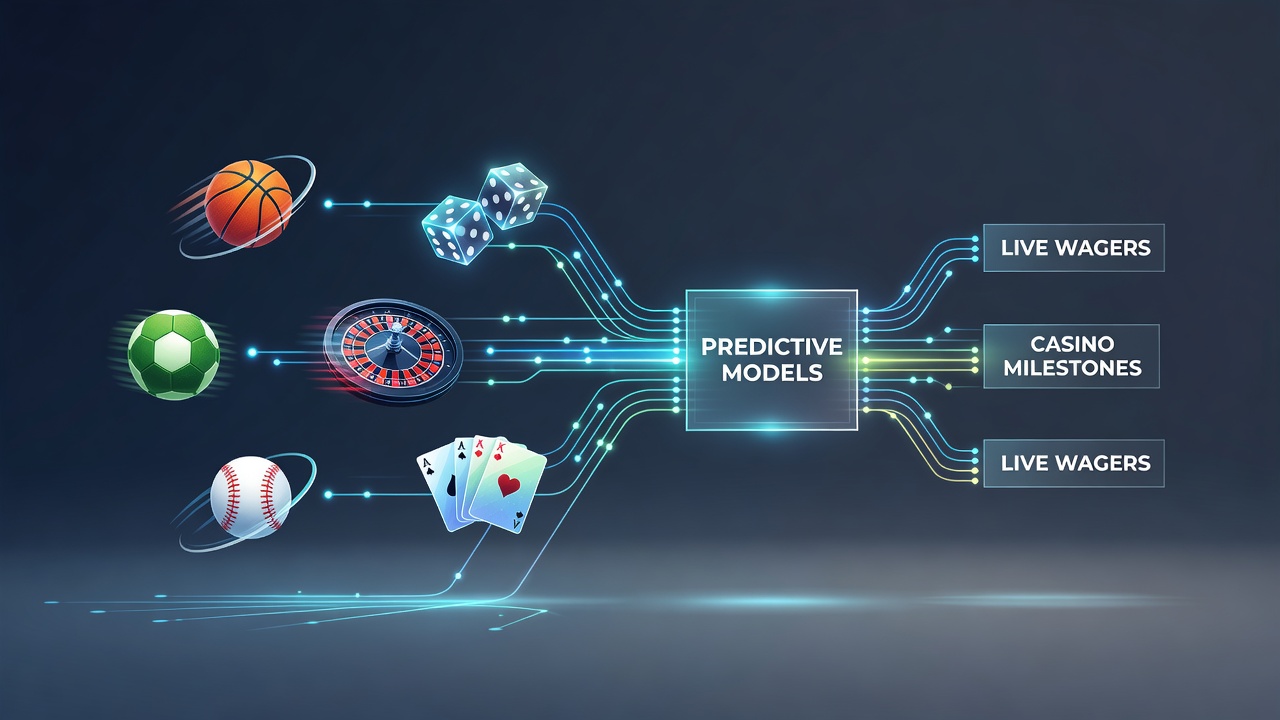
Casino Milestone Integration with Sports Transaction Streams
Casino progressives on portable devices update their displayed values based on aggregated contribution rates that payment systems calculate from every qualifying wager. When a user moves funds between a sports book wallet and a casino wallet, the transfer event triggers recalculation of both the current jackpot seed and the user's personal progress percentage toward unlock thresholds. Predictive models incorporate these transfer patterns to estimate future contribution volumes and to time promotional triggers that appear alongside live sports markets. Studies from the University of Nevada, Las Vegas gaming research division have tracked how such integrated flows increase the frequency of milestone notifications delivered to users during overlapping athletic events.
The same payment infrastructure supplies audit trails that regulatory bodies require for responsible gambling features, including session time limits and deposit caps that the predictive layer can reference when generating personalized risk alerts. These alerts surface directly within the same interface used for cross-sport wager placement, creating a continuous feedback loop between financial activity and model outputs.
Technical Infrastructure Supporting August 2026 Deployments
Cloud-based microservices handle the routing of transaction data to both sports and casino model instances, employing event-driven architectures that scale horizontally during high-volume periods such as major tournament weekends. Edge computing nodes positioned near mobile network towers further compress the interval between payment authorization and model inference, which operators report as critical for markets that close within seconds of real-world events. According to analyses published by the Australian Institute of Gambling Research, platforms utilizing these distributed nodes achieved measurable improvements in prediction accuracy metrics during simultaneous coverage of European football fixtures and North American basketball games.
Encryption standards applied to transaction payloads also protect the integrity of input data fed into forecasting algorithms, preventing tampering that could distort live odds or milestone projections. Developers maintain separate encryption keys for sports versus casino data streams while still allowing joint queries that combine both categories for cross-product analytics.
Conclusion
Payment network architectures have become foundational inputs for algorithmic systems that generate forecasts across live multi-sport wagers and track casino milestones on portable devices. The continuous exchange of transaction data with performance statistics enables tighter synchronization between user financial actions and model updates, supporting the operational requirements observed in August 2026 deployments. Regulatory documentation and academic measurements confirm that latency reductions and data standardization continue to shape how these integrated environments function across different geographic markets and device ecosystems.