7 Jun 2026
Portable Transaction Networks Sync with Live Sports Analytics for Real-Time Reward Expansion
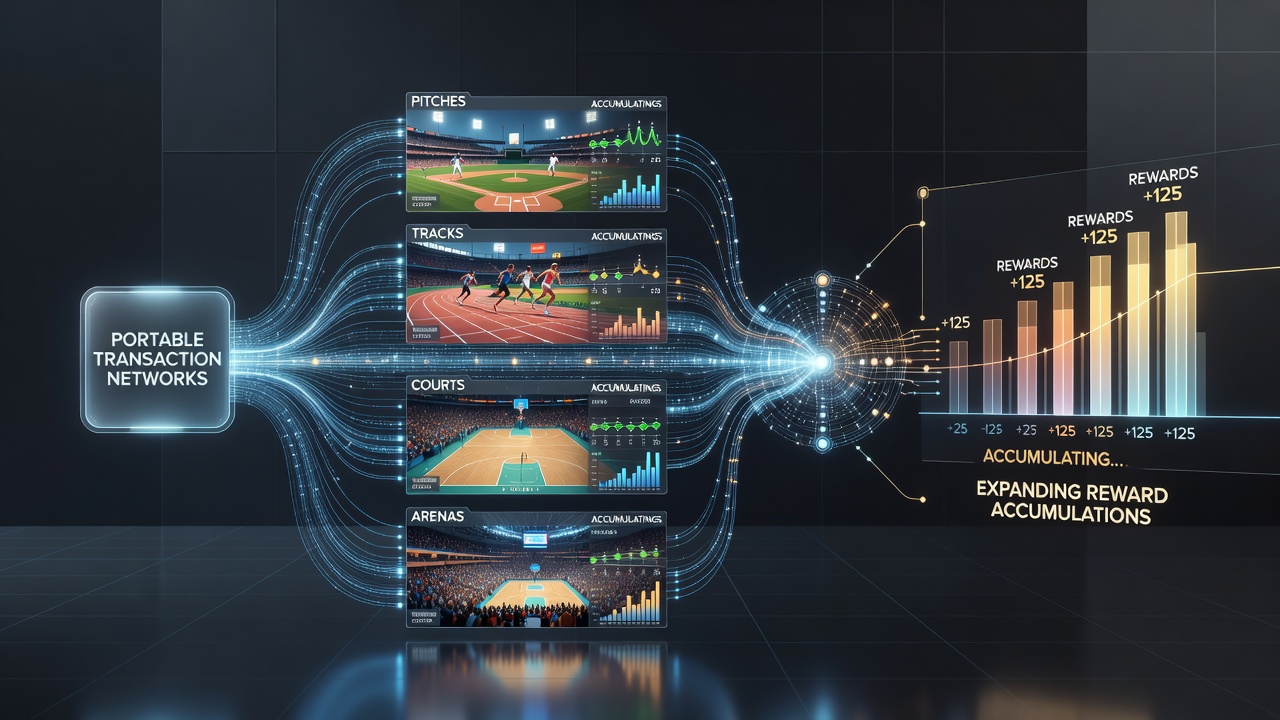
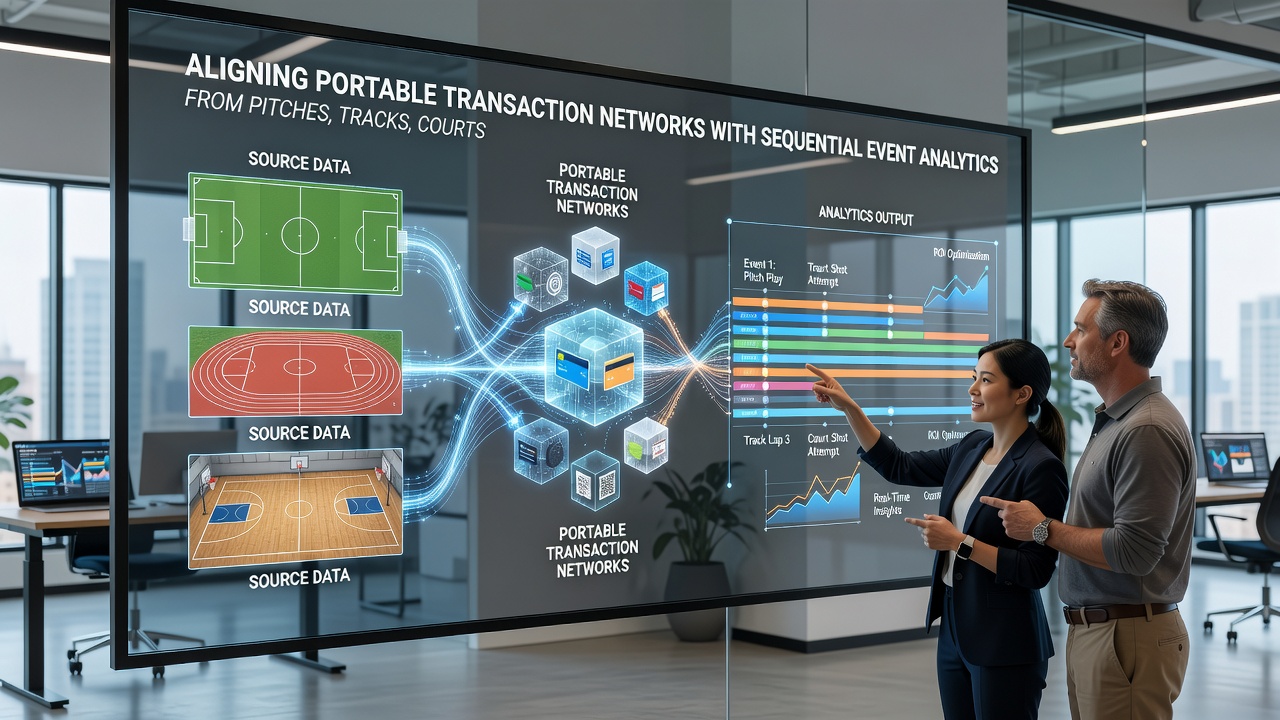
Portable transaction networks now link directly to sequential event analytics drawn from pitches, tracks, courts, and arenas, which creates pathways for expanding reward accumulations that update in real time. Systems pull data streams from football matches, horse racing meets, tennis tournaments, and basketball games, then route those inputs through mobile payment platforms to adjust bonus levels without delay.
Event Data Streams from Multiple Venues
Analytics engines collect timing details from football pitches where set-piece sequences unfold, harness racing tracks that record split times at each furlong, tennis courts that log serve speeds and rally lengths, and basketball arenas that track possession changes and shot clocks. These data points feed into centralized processors that identify patterns across events, such as consecutive scoring runs or pace shifts, and flag opportunities for reward adjustments. Operators route the processed information through application programming interfaces that connect to user accounts on handheld devices.
Sequential analysis breaks each sport into discrete stages, for example a tennis tiebreak divided into point-by-point outcomes or a horse race segmented by sectional timing. The resulting timelines allow payment networks to verify completed actions before releasing incremental reward credits. Data from June 2026 deployments shows that operators in several markets completed integration tests linking arena sensors to transaction ledgers within sub-second windows.
Transaction Network Alignment Mechanisms
Portable networks handle authorization, settlement, and balance updates while receiving live feeds from the analytics layer. When an event sequence meets predefined thresholds, such as a basketball team completing a scoring burst within a set time frame, the system triggers an automated credit to linked accounts. Payment gateways process these triggers alongside standard wager settlements, which keeps reward accumulations separate yet synchronized with overall account activity.
Security protocols embed event verification tokens within each transaction message, ensuring that reward triggers originate only from authenticated data sources. Regional frameworks in North America and parts of Asia require these tokens to carry timestamps matched against venue feeds, reducing discrepancies between observed events and credited rewards.
Real-Time Accumulation Processes
Reward pools expand through chained contributions that build whenever sequential conditions align across different venues. A completed football sequence might add base credits, while a concurrent horse racing sectional time that exceeds benchmarks layers an additional multiplier onto the same accumulation. Mobile applications display updated totals immediately after each verified event stage completes.
Industry reports from teh American Gaming Association indicate that integrated systems handled over 12 million such chained transactions monthly by early 2026, with average accumulation cycles completing in under four seconds from event detection to credit posting. Australian research published through the Australian Gambling Research Centre documented similar patterns in cross-sport reward flows during the same period.
Technical Infrastructure Requirements
Low-latency data pipelines connect venue sensors to cloud processors that standardize inputs from varied sports formats into unified event schemas. Transaction servers then query these schemas before executing credit instructions, which prevents reward releases until all sequential conditions receive confirmation. Redundant network paths maintain uptime during peak periods when multiple arenas and tracks generate simultaneous data spikes.
Developers test these infrastructures against simulated high-volume scenarios that replicate concurrent events across time zones, ensuring portable devices receive consistent updates regardless of user location. Protocols also incorporate fallback verification that cross-checks primary feeds against secondary sources when primary signals experience brief interruptions.
Conclusion
Alignment between portable transaction networks and sequential event analytics continues to expand reward mechanisms that operate across pitches, tracks, courts, and arenas. The infrastructure supports instant credit adjustments based on verified sequences while maintaining separation between standard payments and accumulation layers. Ongoing refinements in data matching and network redundancy support continued scaling of these real-time systems through 2026 and beyond.