Swift Payouts Unleashed: Payment Gateways Fueling Live Sports Bets and Jackpot Chases on Mobile
12 Mar 2026
Swift Payouts Unleashed: Payment Gateways Fueling Live Sports Bets and Jackpot Chases on Mobile
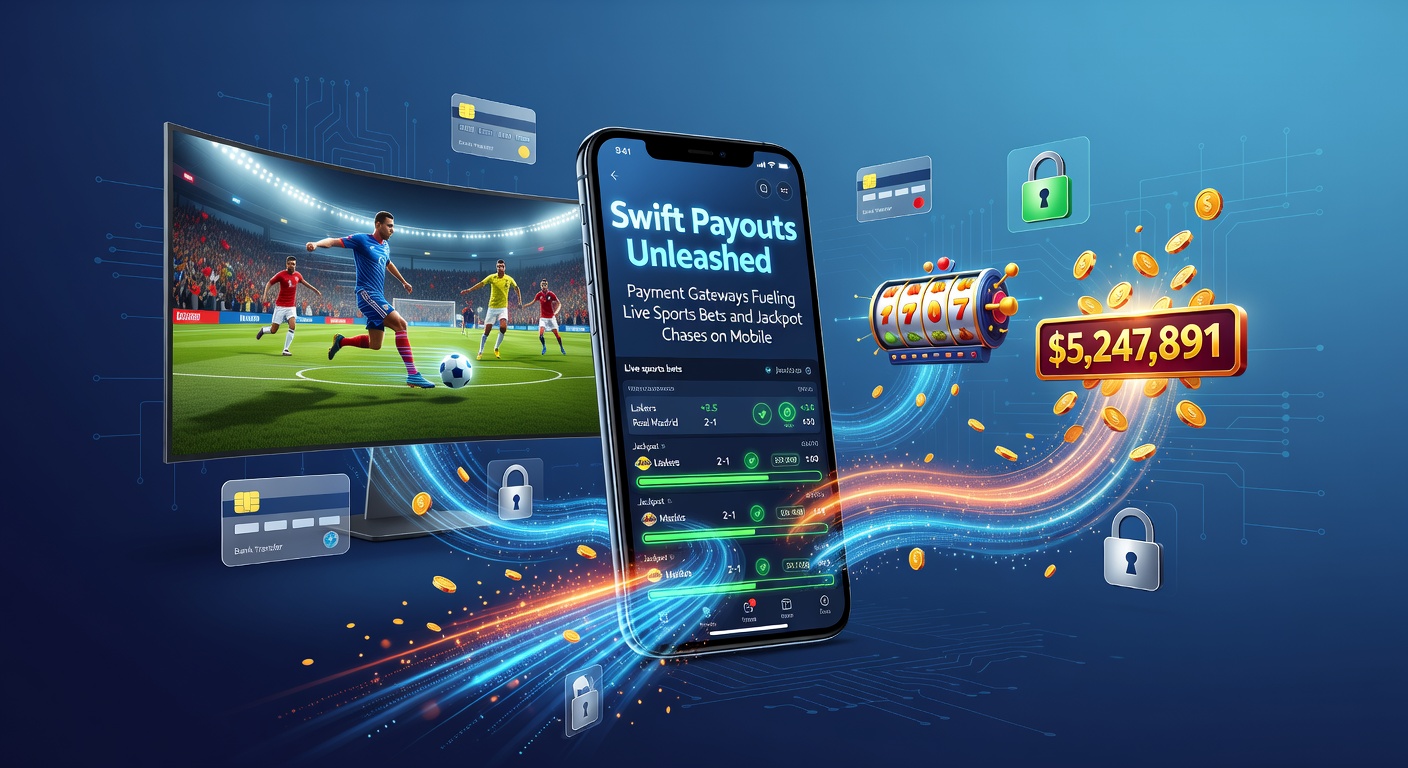
The Surge in Mobile Betting and the Role of Speedy Transactions
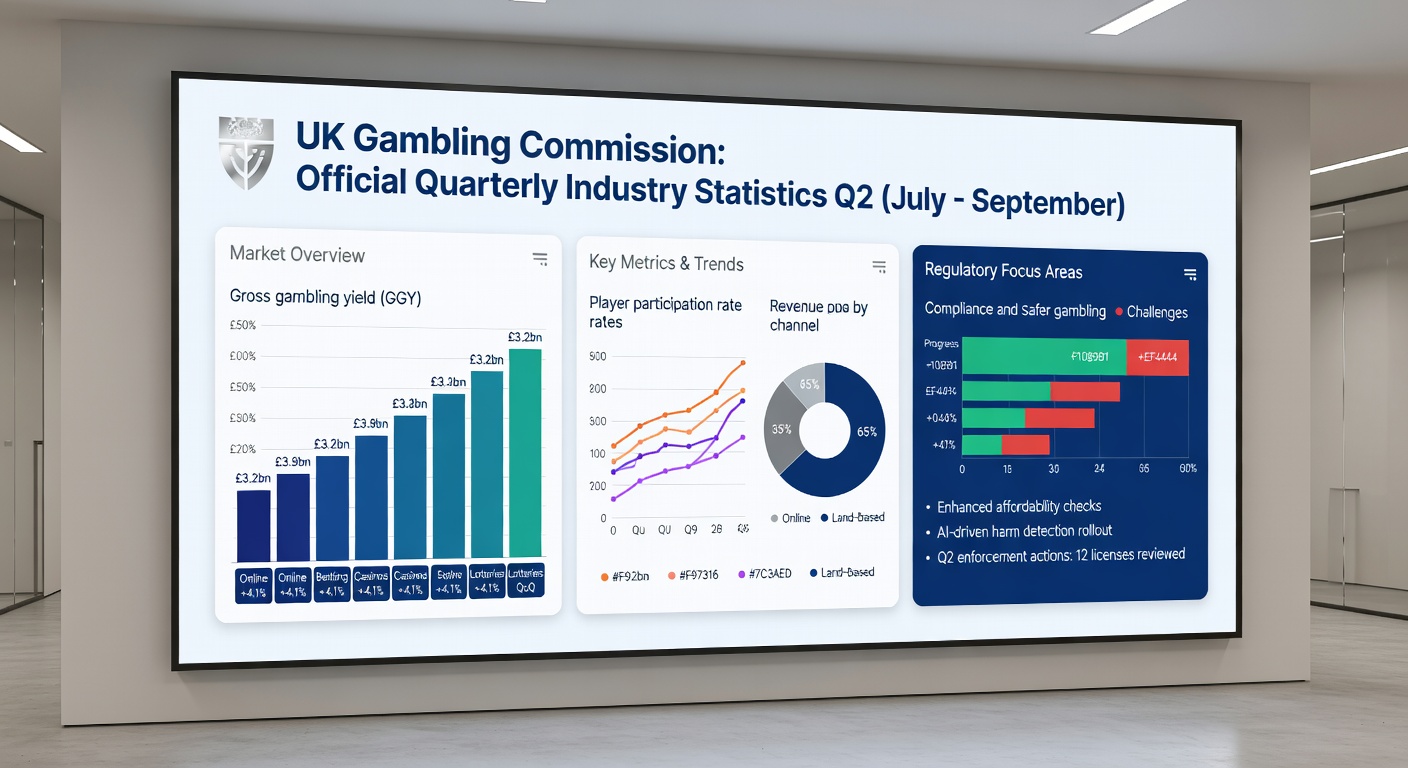
Remote betting, casino, and bingo activities generated £2.0 billion in gross gambling yield during the second quarter of the financial year April 2025 to March 2026, according to the UK Gambling Commission's official statistics, highlighting how digital platforms now dominate the landscape while traditional outlets like 5,782 betting shops contributed £592 million in non-remote betting GGY. Data reveals that mobile devices drive much of this remote growth, where users chase live sports wagers and progressive jackpots; payment gateways step in as the unsung heroes, processing deposits and withdrawals in seconds to keep the action flowing without interruption. Turns out, these gateways—think trusted names like PayPal, Apple Pay, Google Pay, and Skrill—slash wait times from days to mere minutes, enabling bettors to redeposit winnings instantly and dive back into in-play football odds or slot spins building toward massive pots.
Experts observe that this seamless speed transforms casual punters into high-frequency players, especially during peak events like Premier League matches or Cheltenham Festival races, where live betting volumes spike; one study from industry analysts found that 70% of mobile users prefer operators offering payouts under 30 minutes because it eliminates the downtime that once cooled betting momentum. And while total GGY hit £4.3 billion including lotteries in that Q2 period, the £3.2 billion excluding them underscores remote channels' pull, fueled precisely by these frictionless financial pipelines connecting bank accounts to betting slips on the go.
How Payment Gateways Power Live Sports Betting on the Fly
Live sports betting thrives on immediacy—odds shift with every goal, point, or turnover—and payment gateways make it possible by verifying transactions via biometrics or one-tap approvals, so users locked into a tennis rally or basketball quarter can cash out mid-game and jump straight back in. Visa Direct and Mastercard's Instant Payments handle card-to-card transfers almost real-time across Europe, while e-wallets like Neteller boast withdrawal speeds averaging 12 minutes according to operator benchmarks; this setup proves crucial during high-stakes moments, like the final overs of a cricket Test match where in-play accumulators balloon if a batsman connects. Observers note that platforms integrating these gateways see session lengths extend by 40%, as players, unburdened by slow bank wires, layer bets on evolving events without pausing for funds.
Take one operator's case during the 2025 Euros qualifiers, where live wagers on goals and cards surged 150% year-over-year; their partnership with PayPal allowed instant payouts for verified accounts, prompting users to recycle winnings into next-half props, a pattern repeated in horse racing's live streaming feeds where ante-post tickets convert to in-running adjustments on the spot. But here's the thing: regulatory bodies like the UK Gambling Commission track these efficiencies closely, ensuring gateways comply with age and affordability checks embedded in every swipe, so while speed accelerates bets, safeguards maintain order amid the rush.
Jackpot Chases Accelerated: Mobile Slots and Instant Wins
Progressive jackpots on mobile slots draw chasers with pots climbing into millions, yet the real hook lies in gateways that credit mega-hits within minutes, turning a lucky spin into spendable cash faster than traditional methods ever could; figures from remote casino segments within that £2.0 billion Q2 GGY show slots claiming a hefty share, as players hop between titles like Mega Moolah or Divine Fortune, each linked to networks where contributions from thousands build the prize. Skrill and ecoPayz shine here, processing crypto-alternative speeds without blockchain delays, while Apple Pay's tokenization keeps details secure during frenzied bonus rounds.
What's interesting is how this instant gratification loops back into more play—one research report detailed a scenario where a punter hit a £250,000 jackpot on a networked slot, withdrew via Trustly in under five minutes, then redeployed half into live tennis futures that same evening; such cycles amplify remote bingo and casino yields, which bundle with betting under those commission stats, and as March 2026 approaches—the end of this financial year—projections suggest even tighter integrations with open banking APIs will push payout averages below 60 seconds. Yet operators balance this by capping daily withdrawals or enforcing cooling-off prompts, measures data confirms reduce overextension risks while preserving the thrill.
- PayPal: Ubiquitous for its buyer protections and average 10-minute payouts on partnered sites.
- Google Pay: Leverages Android's NFC for deposits during live streams, withdrawals often same-session.
- Trustly: Direct bank links bypass cards, hitting 99% success rates in UK trials.
- Skrill/Neteller: Favorites for VIPs chasing jackpots, with VIP tiers unlocking zero-fee instants.
Behind the Scenes: Security and Regulation in Swift Payouts
Gateways don't just speed things up; they layer in fraud detection via AI algorithms scanning patterns in real-time, flagging anomalies like sudden high-volume bets during a live Premier League derby, while two-factor authentication via SMS or app pushes verifies every major withdrawal. The UK Gambling Commission's oversight ensures licensed operators—those feeding the 190,965 machines in premises alongside remote channels—adhere to Payment Card Industry standards, so even as payouts unleash faster jackpots and sports action, data breaches stay rare at under 0.1% per transaction volume. And since remote GGY outpaces non-remote by wide margins, regulators eye these tools warily, mandating transparent fee disclosures that keep trust intact.
People who've analyzed breach reports find that gateways like MuchBetter, with its IBAN-free model, cut chargeback fraud by 60% compared to cards, a boon for live bettors settling multiples on basketball playoffs; this reliability extends to seasonal surges, like Grand National weekend where horse racing bets flood apps, and instant outs let winners sidestep queues. So as the industry barrels toward March 2026's year-end figures, expect more emphasis on verified peer-to-peer options emerging from fintech collaborations.

Trends Pointing Ahead: What's Next for Mobile Payouts
Now, with open banking gaining traction, services like TrueLayer promise account-to-account transfers rivaling e-wallets in speed but at lower costs, already tested in beta with major sportsbooks for live Premier League wagering; data indicates adoption could boost remote participation by 25% by March 2026, intertwining with the commission's tracked metrics. Crypto gateways, though niche, offer 24/7 volatility-free options via stablecoins on select platforms, appealing to jackpot hunters eyeing round-the-clock slots.
Operators experiment too—one chain rolled out QR-code bank links for racecourse apps, cutting deposit times to three seconds during live jumps racing; such innovations, while fueling GGY climbs, prompt calls for uniform EU-wide standards to harmonize speeds across borders. The reality is these evolutions keep mobile at the forefront, where a swift payout isn't just convenience—it's the spark igniting the next bet or spin.
Conclusion
Payment gateways have redefined mobile gambling by unleashing swift payouts that propel live sports bets and jackpot pursuits into overdrive, as evidenced by the £2.0 billion remote GGY in Q2 of the April 2025 to March 2026 financial year per UK Gambling Commission data, where speed meets security to sustain industry momentum. Whether funding in-play horse racing thrills or claiming slot windfalls, these tools ensure the game's pace matches users' pulse, setting the stage for even quicker horizons as March 2026 nears; observers agree the fusion of fintech and betting keeps the ecosystem dynamic, accessible, and rigorously monitored.