28 Jun 2026
Synchronizing Global Transactions: Athletic Forecasts and Prize Pools via Mobile Technology
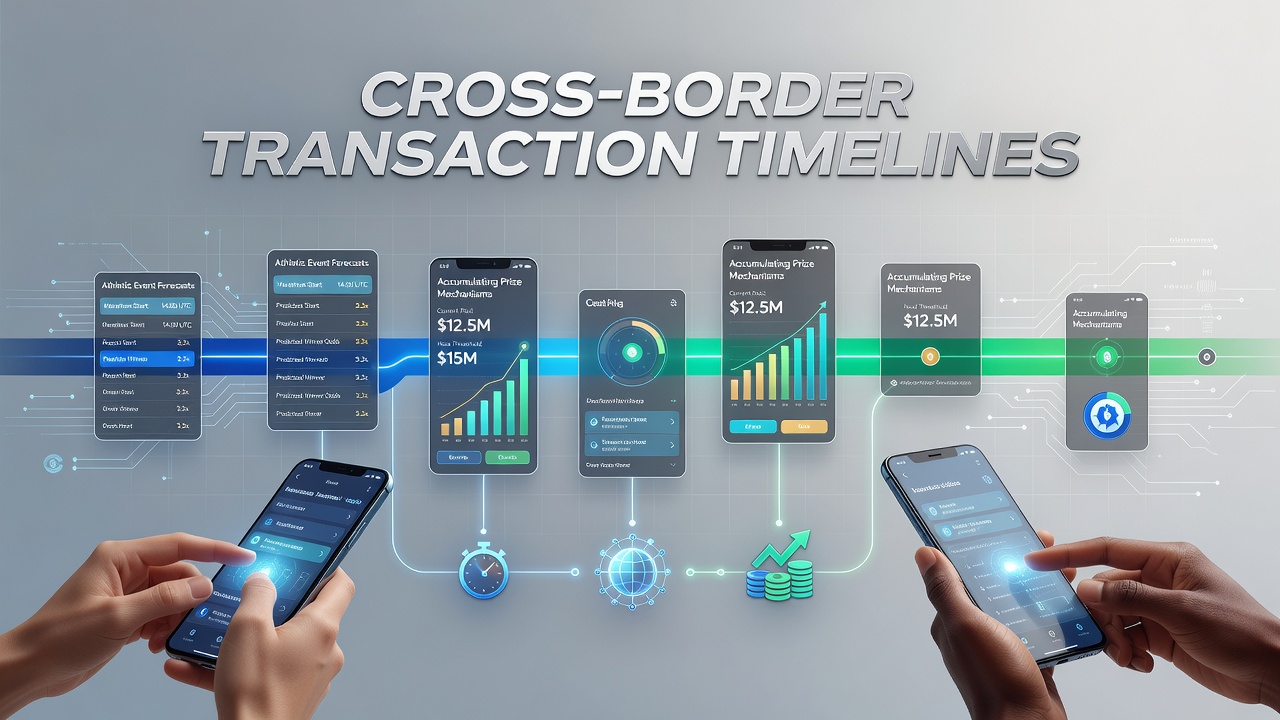
Cross-border transaction timelines form the backbone of mobile platforms that connect athletic event forecasts with accumulating prize mechanisms and these systems operate through layered networks of payment processors, regulatory frameworks, and real-time data feeds that update prize pools based on live sports outcomes. Observers note that transaction processing speeds vary significantly depending on the jurisdictions involved with some regions completing transfers in under two seconds while others require several minutes due to compliance checks and currency conversion protocols.
Mechanics of Mobile Interface Integration
Mobile applications serve as the primary conduit for users who place forecasts on athletic events ranging from football matches to tennis tournaments and basketball games and these same interfaces link directly to progressive prize mechanisms that grow through aggregated contributions across international user bases. Data from the Infocomm Media Development Authority indicates that seamless API connections between betting modules and jackpot servers allow prize accumulators to reflect new inputs within milliseconds after a successful transaction clears. Those who manage these platforms often coordinate with multiple financial institutions simultaneously to handle the flow of funds from one country to another while maintaining synchronization between forecast submissions and prize pool updates.
Payment gateways embedded in these applications process both incoming wagers and outgoing winnings through encrypted channels that comply with varying international standards and the entire sequence from forecast submission to prize allocation typically unfolds in a series of automated steps that include authentication, balance verification, and final ledger updates. Researchers at the University of Melbourne have documented how these steps align across time zones to ensure that users in different regions experience consistent timelines regardless of their physical location.
Cross-Border Timelines and Regulatory Influences
Transaction timelines across borders depend on several factors including local banking hours, anti-money laundering requirements, and the type of currency involved with euro-based transfers often completing faster than those requiring multiple currency conversions. In June 2026 several Asian markets introduced updated digital payment standards that reduced average processing times for mobile sports forecasts by approximately 30 percent according to regional industry reports. These changes directly affected how quickly contributions from athletic event predictions reached accumulating prize mechanisms allowing jackpot totals to reflect international activity with greater immediacy.
Platforms must navigate differences in settlement periods between countries where some financial systems operate on real-time gross settlement while others rely on batch processing at the end of each business day and this variation creates staggered updates to prize pools that users observe through their mobile interfaces. The reality is that operators build buffer systems into their applications to smooth out these inconsistencies and present unified prize figures even when underlying transactions arrive at different intervals.
Linking Forecasts to Accumulating Prizes
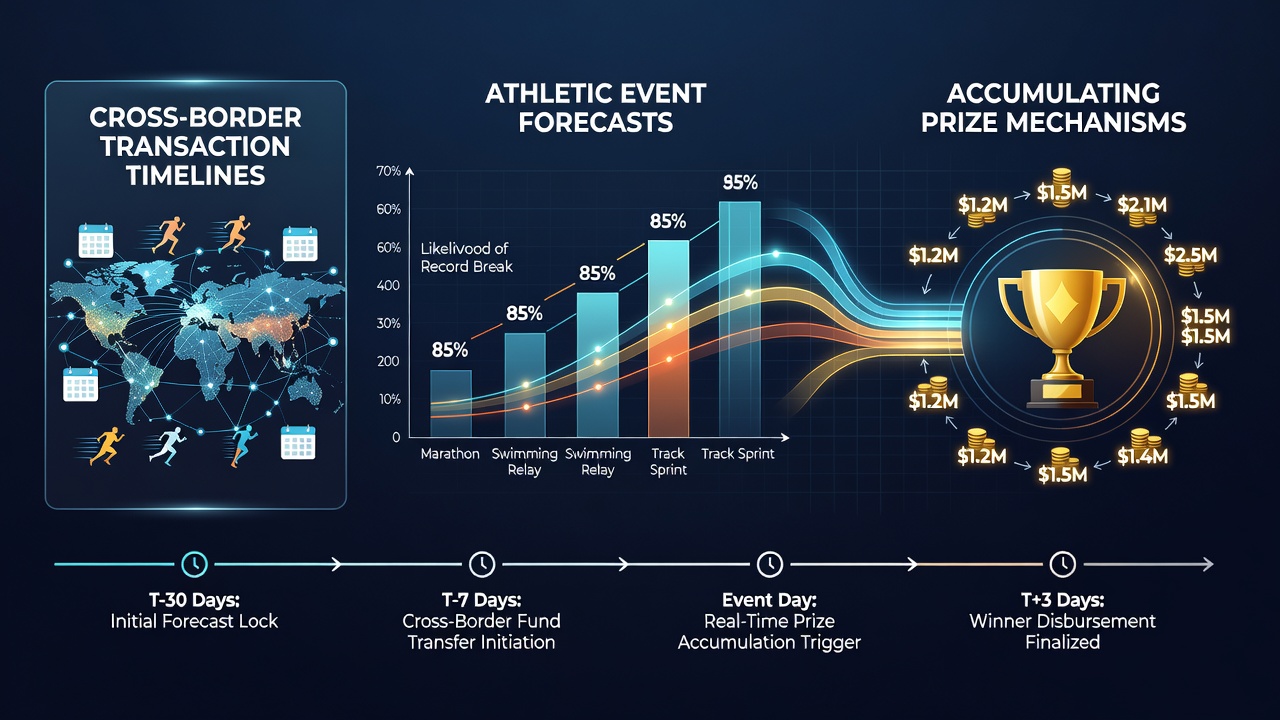
Athletic event forecasts submitted through mobile interfaces trigger immediate calculations that determine how much of each wager contributes to specific prize accumulators and these contributions aggregate across borders to form larger progressive totals that continue growing until certain trigger conditions are met. Systems track each forecast individually while simultaneously updating shared prize ledgers that span multiple jurisdictions and this dual tracking ensures accuracy in both individual user accounts and collective jackpot figures.
Operators employ sophisticated matching algorithms that connect particular types of athletic predictions with designated prize mechanisms such as linking basketball performance forecasts to one accumulator while routing tennis match predictions to another and these connections operate continuously through mobile networks that span continents. Figures from international telecommunications studies reveal that peak activity periods often coincide with major athletic events when transaction volumes surge and prize pools expand at accelerated rates due to the increased number of linked forecasts.
Practical Examples from Global Operations
One documented case involves a platform that processed forecasts from European users on football matches alongside contributions from Australian users on horse racing events with both streams feeding into the same mobile-accessible prize mechanism within coordinated timelines. Another instance showed how North American basketball predictions synchronized with Asian tennis forecasts to influence a single accumulating total through a unified mobile gateway that handled the cross-border elements without visible delays to end users. These examples demonstrate the operational complexity involved in maintaining consistent prize growth across diverse regulatory environments and time zones.
Conclusion
The infrastructure supporting cross-border transaction timelines in mobile applications continues to evolve as new standards emerge and existing frameworks adapt to increasing volumes of athletic event forecasts that feed into accumulating prize mechanisms. Observers note that the synchronization between these elements relies on precise coordination between technology providers, financial networks, and regulatory bodies across multiple regions to deliver reliable outcomes for users worldwide. As mobile interfaces incorporate further advancements in transaction processing the connections between athletic predictions and prize accumulators are expected to operate with even greater efficiency while respecting the distinct requirements of each jurisdiction involved.